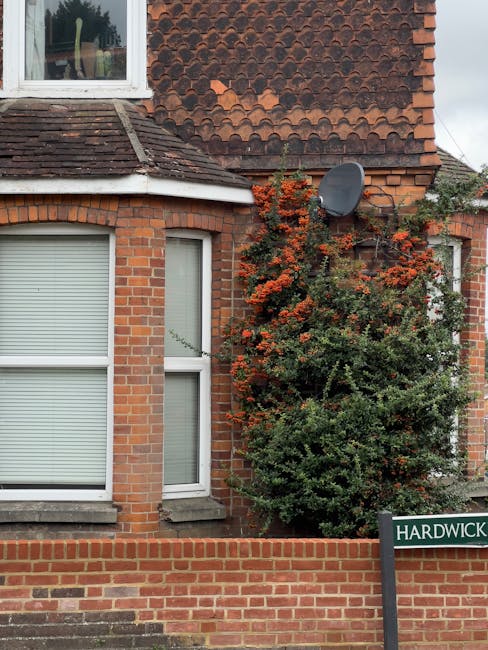
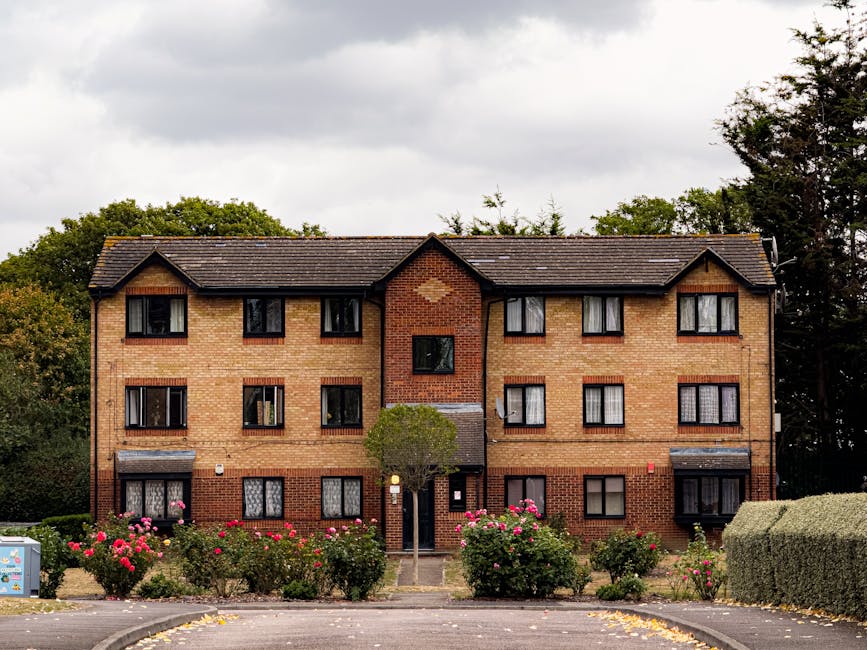
Norbiton High Street gardeners maintenance guide for flats
If you live in a flat near Norbiton High Street, keeping shared outdoor space looking neat can feel oddly complicated. One week the beds are tidy, the next there are weeds, overgrown edges, a few fallen leaves, and someone has quietly put a broken planter by the bin store. This Norbiton High Street gardeners maintenance guide for flats is here to make that whole job easier to understand and, to be fair, much less stressful.
Whether you are a leaseholder, landlord, managing agent, or part of a residents' group, the basics are the same: keep access safe, maintain the planting without overworking the space, and choose a routine that suits shared living. Below, you will find a practical guide to how flat-garden maintenance works, what good service looks like, where the common problems are, and how to plan it properly without wasting money or time.
For readers who want a broader view of local support, the main services overview and the dedicated garden maintenance service pages are useful starting points.
Table of Contents
- Why this matters for flats on and around Norbiton High Street
- How flat garden maintenance works in practice
- Key benefits and practical advantages
- Who needs this service and when it makes sense
- Step-by-step guidance for a sensible maintenance routine
- Expert tips for better results
- Common mistakes to avoid
- Tools, resources and recommendations
- Law, compliance, standards and best practice
- Options, methods and comparison
- Case study: what a realistic flat-garden visit looks like
- Practical checklist
- Conclusion
- Frequently asked questions
Why Norbiton High Street gardeners maintenance guide for flats Matters
Flat gardens are not the same as private house gardens. They are usually smaller, more visible, more shared, and more sensitive to wear and tear. That changes everything. A patch of grass by an entry path can turn muddy very quickly. A narrow planting bed can become cluttered with dropped litter, self-seeded weeds, and broken stems. A hedge that looks "fine for now" can block light for ground-floor windows before anyone notices.
In a flat setting, garden maintenance is not just about appearance. It affects safety, resident satisfaction, property value, and the day-to-day feel of the building. People notice when a communal space looks cared for. They also notice when it does not. A tidy entrance bed or well-cut lawn can make a whole block feel calmer, cleaner, and more looked after. That small first impression matters more than many people expect.
There is also the practical side. Shared gardens near busy streets like Norbiton High Street often deal with more footfall, more windblown debris, and more mixed use. One resident might want pollinator-friendly planting, another wants a clean look, and someone else just wants to stop the leaves blocking the drain. The right maintenance plan finds a workable middle ground.
Expert summary: for flats, the best garden maintenance is rarely the most dramatic one. It is the routine that keeps things safe, neat, and manageable all year without making the space feel over-managed or stripped bare.
How Norbiton High Street gardeners maintenance guide for flats Works
Good flat-garden maintenance starts with understanding the space as a system. You are not just mowing grass or trimming plants. You are managing access routes, communal usage, drainage, planting health, waste removal, and timing. In practice, that means a service provider will usually look at the site, note what is shared, what is private, and what needs recurring attention.
A typical flat-garden maintenance visit may include lawn mowing, edging, deadheading, weeding, hedge trimming, leaf clearance, pruning of suitable shrubs, litter pickup, and checking for anything that could become a nuisance. On some sites, it might also include light pressure washing of hardstanding areas, sweeping around entrances, or tidying beds near parking bays. If the layout is more complex, landscape gardening or more structured landscaping support may be needed to improve the design rather than just maintain it.
The best routine is usually seasonal. Spring and summer often need more frequent cutting and weed control. Autumn brings leaves, seed drop, and damp build-up. Winter is more about safety, access, and keeping an eye on damage from wind or frost. Truth be told, a lot of problems start when a site is left too long between visits. It is rarely dramatic at first. It just becomes fiddly, then annoying, then expensive.
Many flats also need specialist input in specific areas. For example, a dense boundary hedge may benefit from hedge trimming, while overrun corners or discarded waste might require garden clearance. If your block has a lawn at all, a regular lawn mowing schedule usually matters more than one-off tidy-ups.
Key Benefits and Practical Advantages
For flat owners and managers, maintenance brings benefits that are easy to see and a few that are less obvious but just as important.
- Better first impressions: a tidy garden helps the whole building look cared for.
- Lower complaint levels: residents are less likely to raise issues about weeds, mess, or blocked paths when there is a clear routine.
- Improved safety: regular visits reduce trip hazards, slippery build-up, hidden debris, and overgrown sightlines.
- Healthier planting: shrubs, beds, and lawns generally do better when they are maintained little and often.
- More predictable costs: recurring maintenance is easier to budget for than emergency clearance work.
- Less disruption: a short planned visit is usually less intrusive than a major tidy-up after months of neglect.
There is also a quieter benefit: people tend to take better care of a space that already looks cared for. That is not magic. It is just human behaviour. When communal gardens are kept tidy, litter tends to reduce, and residents are more likely to respect the space. You can feel that difference on a building straight away, especially on a damp morning when the bin area is the first thing everyone passes.
If you are comparing ongoing maintenance with occasional tidy work, the service route often proves more efficient. For sites that need more than routine care, especially where the garden has become messy or overgrown, it can help to combine maintenance with a one-off garden clearance visit first. Then the regular work becomes much simpler.
Who This Is For and When It Makes Sense
This guide is for anyone responsible for a flat's outdoor space, whether directly or indirectly. That can include leaseholders with a shared garden, landlords managing small blocks, resident management companies, building managers, and letting agents who need the garden kept in decent condition between tenancies.
It also makes sense for flat residents who are trying to decide whether they need professional help or can handle the basics themselves. Let's face it, some communal spaces look simple from a window and then turn out to be awkward in practice. Narrow access, limited storage, shared responsibility, and different opinions about what "tidy" means all make the job harder than expected.
This kind of maintenance becomes especially useful when:
- the building has shared access paths or a communal front garden
- grass and weeds grow fast because the area gets regular sun or moisture
- residents complain about mess, leaves, or overgrown edges
- the garden needs regular tidying, but not a full redesign
- there is limited time, storage, or willingness for residents to do it themselves
- a landlord wants the property to present well for viewings or inspections
For a better sense of the wider company background and service approach, the about us page is worth a look. And if you are weighing up service levels and budget, the pricing and quotes page is a sensible next stop.
Step-by-Step Guidance
A good maintenance plan does not need to be complicated. It does need to be consistent. Here is a realistic approach for flats around Norbiton High Street.
- Walk the site properly. Look at entrances, paths, planting beds, boundary lines, drains, and any areas where rubbish gathers. The first walk often reveals more than people expect.
- Separate the space into zones. Common zones include lawns, shrubs, hedges, planters, bin areas, and access routes. Each one needs different care.
- Set priorities. Safety and access come first. After that, deal with anything that affects presentation or plant health.
- Choose a frequency. Weekly, fortnightly, or monthly visits may be appropriate depending on growth rate and the season.
- Use the right task mix. Mowing, edging, weeding, pruning, sweeping, and litter removal should be matched to the site. Not every visit should be a full reset.
- Track recurring problems. If the same area gets wet, muddy, or messy every visit, there may be a design issue rather than a maintenance issue.
- Review quarterly. What seemed fine in May might be very different by October. Adjust before the garden gets away from you.
A simple monthly routine for a small flat garden might include mowing, edging, deadheading, weeding, and checking the hedge line. An autumn routine would shift toward leaf removal and drainage checks. If there are awkward slopes, blocked corners, or tired hard surfaces, a broader landscape gardening review may be smarter than patching things endlessly.
Small note, but an important one: do not wait until everything looks bad. Maintenance works best when it prevents the "oh no, we need a big job now" moment.
Expert Tips for Better Results
There are a few habits that make flat-garden maintenance noticeably better. Nothing fancy. Just the sort of details professionals look for straight away.
- Keep edges clean. A crisp edge between lawn and bed makes the whole site look tidier, even if the planting is simple.
- Trim lightly and often. Heavy cutting can stress hedges and shrubs, especially if the garden is exposed.
- Watch water movement. If leaves and soil keep collecting in one corner, you may have a drainage or levels issue.
- Use consistent heights. Uneven mowing or pruning makes communal spaces look untidy fast.
- Protect access routes. Paths should be clear at all times, particularly near entrances and shared bin stores.
- Choose plants that behave. In small shared gardens, low-fuss planting often works better than showy but needy choices.
One practical observation from real-life sites: the most troublesome areas are often not the obvious ones. It is the tiny strip behind a gate, the base of a wall where weeds sneak through, or the shaded side path where moss creeps in quietly. That is where regular attention pays off.
If your block has trees close to the building or overhanging access routes, specialist help from tree lopping and removal services may be necessary. That work should always be assessed carefully and done properly, because trees are not something to improvise with on a whim.
Common Mistakes to Avoid
A lot of flat-garden headaches come from the same handful of mistakes. Some are understandable, some are just bad planning. Either way, they add cost later.
- Leaving maintenance too long. A once-neat space can become awkward surprisingly quickly.
- Assuming one visit fixes everything. If a garden grows fast, it needs a recurring plan.
- Ignoring the shared nature of the site. What works for one household may not work for a communal area.
- Cutting back too hard. Over-pruning can damage hedges and shrubs and make the site look bare.
- Skipping waste removal. Garden waste left behind can make the area look worse than before.
- Forgetting safety checks. Slippery paths, broken pots, and loose debris are all avoidable problems.
Another mistake is trying to force a private-house mindset onto a flat garden. A shared space often needs a more durable, lower-maintenance approach. That is not settling. It is just sensible. And yes, a very small lawn can still become a patch of despair if nobody keeps an eye on it. Gardening has a sense of humour like that.
Tools, Resources and Recommendations
For residents who handle simple upkeep themselves, the right tools matter more than having a huge collection. In a flat setting, storage is limited anyway, so practical beats perfect.
Helpful tools for small communal spaces:
- lightweight lawn mower for small areas
- hand shears or compact hedge trimmer
- weeding tool for paved edges and beds
- garden rake for leaves and loose debris
- stiff broom for paths and entrances
- gloves and sturdy footwear
- bags or bins for green waste and litter
For more complex gardens, especially where soil levels, borders, or access have become messy over time, professional help is often the better use of money. If the site needs a refresh rather than just routine upkeep, a mix of maintenance and landscaping may give a better long-term result.
It is also worth thinking about sustainability. On many sites, compostable green waste, reduced pesticide use, and lower-mow strategies can make the garden easier to manage and a bit kinder to the environment. If that matters to your building, the recycling and sustainability page may help set expectations around responsible disposal and greener working methods.
Law, Compliance, Standards and Best Practice
For flat gardens, the compliance side is usually about general safety, neighbour consideration, access, and proper contractor practice rather than anything dramatic. That said, shared properties do create real responsibilities. Paths should remain safe to use. Waste should be managed properly. Work should not create hazards for residents, visitors, or neighbouring homes.
In the UK, property managers and landlords should be cautious about safety, especially where tools, ladders, cutting equipment, or tree work is involved. While the exact obligations vary by site and ownership structure, it is wise to use insured contractors, keep clear agreements about access, and avoid work that could create trip hazards or falling debris. If trees are involved, or the site is unusually tight, the risk rises quickly.
It is also sensible to check contractor policies before work starts. The pages on health and safety and insurance and safety can help build confidence that the basics are being handled properly. If you are arranging work for residents, the terms and conditions are also worth reading so everyone understands what is included, how access is managed, and what happens if a visit needs to be rescheduled.
Privacy, payment handling, and complaints matter too, especially in communal buildings where more than one person may be involved in the decision. A professional service should be able to explain these things clearly without making it feel like legal homework. Nobody wants that on a Tuesday morning.
Options, Methods, or Comparison Table
If you are deciding how to look after a flat garden, there are usually three realistic options. Each one works in a different way, and none is perfect for every site.
| Approach | Best for | Strengths | Limitations |
|---|---|---|---|
| Resident-led upkeep | Very small, simple shared spaces | Low cost, flexible, quick for light tasks | Can become inconsistent; relies on goodwill and spare time |
| Occasional one-off tidy-up | Sites that drift out of control between seasons | Fast reset, useful after neglect or tenant change | Does not solve recurring growth or litter issues |
| Regular professional maintenance | Most flat gardens with shared access or higher visibility | Reliable, safer, more presentable, easier to budget | Ongoing cost, needs coordination and access planning |
For many flats, the third option is the most practical. It removes the pressure from residents and keeps standards consistent. If the garden is already in poor shape, start with a clear-out first, then move onto routine care. That sequence tends to work far better than trying to maintain a mess.
Case Study or Real-World Example
Here is a realistic example. Imagine a small block of flats off Norbiton High Street with a front lawn, two narrow beds, a hedge by the pavement, and a paved route to the entrance. At first glance it seems simple. Then autumn arrives.
Leaves gather by the step. One bed is full of weeds because nobody can quite agree who owns it. The hedge starts narrowing the path. A couple of residents complain that the garden looks tired, while another says it should be left "more natural." That is the kind of situation many managers know well.
The sensible fix is not a dramatic redesign. It is a measured plan:
- clear the beds and paths properly
- cut the hedge back to restore access
- set a simple mowing schedule
- keep the edges crisp
- remove green waste every visit
- review the planting next season if it keeps becoming overrun
After that, the space stops being a recurring problem. It becomes a manageable one. Not glamorous, perhaps, but much calmer. And in shared housing, calm is underrated.
Practical Checklist
Use this checklist if you are organising flat garden maintenance for the first time or reviewing an existing arrangement.
- Walk the whole site and note problem areas
- Identify shared access routes and safety risks
- Decide which tasks need weekly, fortnightly, or seasonal attention
- Check whether clearance is needed before routine maintenance can begin
- Confirm if hedge, lawn, or tree work is part of the plan
- Agree who can grant access to the garden
- Set expectations for waste removal and tidy finish
- Review insurance, safety, and terms before work starts
- Choose a maintenance frequency that matches the growth rate
- Reassess after one season and adjust as needed
Quick takeaway: for flats, the best maintenance plan is the one that keeps access clear, growth under control, and the site looking cared for without creating constant admin.
Conclusion
Keeping a flat garden in good order is really about consistency, judgement, and clear priorities. The jobs themselves are usually straightforward. The challenge is making them happen at the right time, in the right way, with the least hassle for everyone involved. That is why a proper maintenance plan is worth so much more than a one-off tidy when things get desperate.
If you are managing a shared space near Norbiton High Street, the smartest approach is usually to combine routine care with occasional deeper work where needed. That might mean mowing, hedge trimming, garden clearance, or even broader landscaping support if the layout needs improvement. The goal is simple: a garden that feels safe, neat, and quietly well looked after.
If you would like help planning the right level of care for a flat or communal space, the team can help you compare options and next steps on the contact us page.
Get a free quote today and see how much you can save.
When a shared garden is handled well, it does more than look tidy. It makes the whole building feel easier to live in. That matters more than people think.
Frequently Asked Questions
What does flat garden maintenance usually include?
It usually includes lawn mowing, edging, weeding, hedge trimming, leaf clearance, pruning of suitable shrubs, and tidying access areas. The exact mix depends on the size and condition of the site.
How often should a communal garden be maintained?
That depends on growth, season, and use. Many flat gardens need fortnightly or monthly visits in the growing season, with lighter seasonal attention in winter. Fast-growing or high-visibility sites may need more frequent care.
Is it better to do one-off clearance or regular maintenance?
If the garden is neglected, one-off clearance is often the right first step. After that, regular maintenance is usually more cost-effective because it prevents the same problems from building up again.
Can residents maintain a flat garden themselves?
Yes, if the area is very small and everyone agrees on the routine. In practice, shared ownership, limited storage, and uneven responsibility often make professional support easier and more reliable.
What is the main difference between maintenance and landscaping?
Maintenance keeps an existing garden in good condition. Landscaping changes or improves the layout, surfaces, planting, or structure. If the space keeps causing problems, landscaping may be a better long-term fix.
Do flat gardens need hedge trimming?
Often, yes. Hedges can quickly affect light, privacy, and access if they are left too long. Regular trimming keeps them under control and helps the garden look sharper overall.
What should I check before hiring a gardener for a block of flats?
Check what tasks are included, how access will be managed, whether waste is removed, and whether the contractor is properly insured. It also helps to review their terms, safety approach, and pricing structure.
Are tree works ever needed for flat gardens?
Sometimes. If trees are overhanging access routes, blocking light, or becoming unsafe, specialist work may be required. Tree-related jobs should always be assessed carefully rather than guessed at.
How can I keep costs under control?
Keep the routine consistent, deal with problems early, and avoid letting the garden deteriorate for months at a time. It is usually cheaper to maintain a space little and often than to rescue it repeatedly.
What if residents disagree about how the garden should look?
That is very common. The best solution is to agree a practical standard: safe access, tidy edges, healthy planting, and regular upkeep. Shared gardens work better when the aim is clear and realistic.
Does garden maintenance create a lot of disruption in flats?
It should not. A good service works efficiently, keeps noise and mess down, and leaves the site tidy. Timing matters too, especially where residents work from home or use the outdoor space often.
Where can I find more information about related services?
You can explore the services overview for a broader look at available support, or review specific services such as lawn mowing, garden clearance, and hedge trimming depending on what your flat garden actually needs.