Access challenges in Norbiton gardens how local gardeners solve them
Not every garden starts with a neat side gate, a wide path, and room to swing a rake without knocking over a wheelbarrow. In Norbiton, plenty of gardens are tucked behind terraced homes, narrowed by extensions, split by steps, or boxed in by fences that have seen better days. That is exactly why Access challenges in Norbiton gardens how local gardeners solve them matters so much: the real job is often not the planting or mowing, but getting into the space safely and working in it without making a mess of the place on the way through.
Local gardeners deal with these access problems every day. They plan routes, adjust tools, protect surfaces, and choose methods that fit the site rather than forcing the site to fit the job. Sounds simple enough. In practice, it takes a good eye, a bit of patience, and the kind of practical judgement you only get from doing the work in real homes, on real streets, with all the awkward bits included. This guide walks through the main access issues, how they are usually solved, and what you should look for if your garden is one of those "tricky but manageable" spaces.
For a broader look at the range of work local teams can handle, you may also find the services overview useful, especially if access problems are only one part of a bigger maintenance or landscaping project.
Table of Contents
- Why access challenges matter in Norbiton gardens
- How local gardeners solve access problems
- Key benefits and practical advantages
- Who this is for and when it makes sense
- Step-by-step guidance
- Expert tips for better results
- Common mistakes to avoid
- Tools, resources and recommendations
- Law, compliance, standards and best practice
- Options, methods, or comparison table
- Case study or real-world example
- Practical checklist
- Conclusion
- Frequently asked questions
Why access challenges in Norbiton gardens how local gardeners solve them Matters
Access affects almost every part of garden work. If the only route to the back garden is a narrow side passage, or if the main entry involves uneven steps and a tight turn, even a simple job can become slow, awkward, or risky. A lawn mow that should take forty minutes can stretch much longer if every tool needs to be carried one at a time. A clearance job can turn into a juggling act. And if wet soil, clippings, or broken branches are involved, things get messy fast.
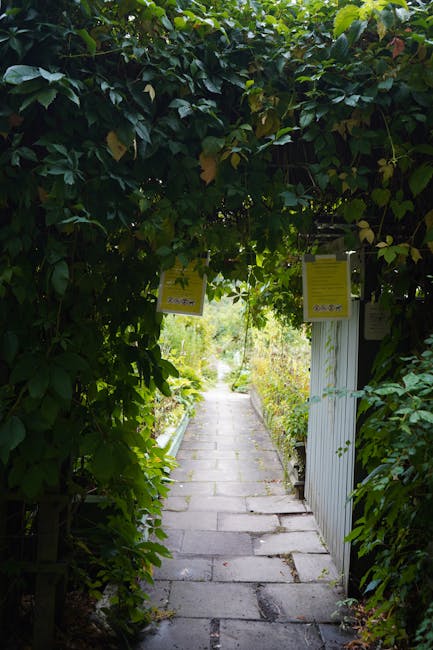
In Norbiton, access problems often come from the way homes were built and extended over time. Side returns can be narrow. Patio doors may lead out to a garden but not to a sensible work route. Shared alleys, locked gates, and cluttered paths are common too. To be fair, that is not unusual in London at all, but local gardeners still need to adapt carefully because a poor setup can damage paving, leave soil on thresholds, or create avoidable trip hazards.
There is also a cost angle. Poor access usually means more labour time, more handling, and sometimes more visits. That does not mean the garden cannot be maintained properly. It simply means the plan has to be realistic. Local gardeners solve the issue by reducing unnecessary movement, choosing compact equipment where needed, and agreeing the best working sequence before the first tool comes out of the van.
Practical takeaway: access is not just about getting into a garden. It affects safety, timing, finish quality, and the overall cost of keeping the space in good shape.
If the access issue is tied to overgrown boundaries or blocked entrances, services such as hedge trimming and garden clearance can often make a dramatic difference before regular maintenance begins.
How Access challenges in Norbiton gardens how local gardeners solve them Works
Most access solutions start with a site assessment. A gardener will usually look at the width of gates and paths, the condition of paving, how far equipment has to travel, where water and electricity can safely be used, and whether there are any obstructions such as bikes, bins, sheds, or trailing plants. That first look tells you a lot. Sometimes the issue is obvious. Sometimes it is the small stuff, like a gate that catches on the frame or a step that becomes slick after rain.
From there, the work is broken down into workable stages. If the garden is hard to reach, jobs may be split into front-to-back movement rather than trying to cart everything through a tight corridor at once. Waste may be bagged in smaller loads. Tools may be selected for portability rather than brute strength. A large mower might be brilliant on an open lawn, but in a compact Norbiton garden a lighter setup can be more practical and far less stressful.
Sometimes local gardeners also recommend small changes to the garden layout. That could mean widening a path, trimming back a border, replacing a wobbly step, or installing a more sensible surface underfoot. If you are already considering bigger improvements, landscaping or landscape gardening can help turn an awkward route into something genuinely usable.
And then there is sequencing. A good gardener will not start with the obvious task if it makes everything else harder. For example, if a hedge blocks safe access to the rear boundary, that hedge may need attention first. If tree limbs hang over a narrow passage, a safe reduction may come before clearance. The order matters. A lot.
Typical access solutions used by local gardeners
- Using compact or hand-carry equipment instead of bulky machines
- Protecting narrow walkways with boards, mats, or careful foot traffic planning
- Removing temporary obstacles before the main job begins
- Breaking work into zones to reduce repeated back-and-forth carrying
- Scheduling more disruptive work for the best weather window
- Suggesting minor changes to gates, steps, or routes to improve future access
Key Benefits and Practical Advantages
The biggest benefit of solving access issues properly is simple: the garden gets worked on without creating new problems. That sounds obvious, but it is where a lot of poor jobs go wrong. A rushed gardener can stain a path, scuff a wall, or leave clippings jammed into a tight side return. A careful one works with the site and leaves it cleaner than they found it. Not glamorous, but very reassuring.
Another major benefit is consistency. Once access is understood, regular visits become smoother. A team knows where to park, where to unload, which gate sticks, and where the fragile patches are. That means more reliable timing and less disruption for you. If you have ever had someone arrive, spend ten minutes staring at a locked gate, then disappear to "find another way", you will know why this matters.
There is also a safety gain. Less lifting, fewer awkward turns, and better route planning reduce the chance of slips, trips, and strain injuries. For gardens with sloping paths, loose gravel, or rain-slick stone, that is not trivial. It is the sort of detail that separates competent work from crossed-fingers work.
For homeowners, access-aware gardening can also protect the long-term condition of the property. Over time, repeated dragging of bins, tools, or heavy branches through a narrow route can chip paving and crush edging. A better system prevents avoidable wear. Small thing? Maybe. But over a year or two, it adds up.
| Access issue | Typical gardener response | Practical benefit |
|---|---|---|
| Narrow side passage | Use smaller tools and staged transport | Less damage and easier movement |
| Steep or uneven steps | Plan safer route, stabilise carry points | Lower slip risk |
| Blocked gate or overgrowth | Clear or trim entry points first | Faster, safer access for future visits |
| Limited storage for waste | Work in smaller loads and remove debris incrementally | Cleaner finish, fewer obstructions |
Who This Is For and When It Makes Sense
This kind of service is useful for anyone whose garden is physically awkward to reach, work in, or maintain. That includes homeowners with side access that is too tight for larger equipment, landlords dealing with neglected rear gardens, and older properties where the layout has changed over time. It also makes sense if you simply want a regular maintenance plan without the stress of doing the heavy lifting yourself.
You might need this if:
- your rear garden is only accessible through the house
- the side access is narrow, steep, or cluttered
- overgrown hedges or trees are narrowing the entry route
- there are several steps, changes in level, or slippery surfaces
- you want clearance, mowing, pruning, and maintenance all handled efficiently
- you have mobility concerns and want to reduce physical strain
It is also relevant before any larger garden improvement project. Access problems can quietly wreck the timeline for decking, planting, or redesign work if they are not considered early. If you are looking at new hard landscaping or a more usable layout, decking services can be part of a broader plan to make movement through the garden safer and more straightforward.
Truth be told, many people put this off until the garden becomes genuinely difficult to manage. That is understandable. But earlier intervention usually keeps the job smaller and cheaper, and makes the whole place feel less like a chore.
Step-by-Step Guidance
If you are trying to fix a tricky access situation, the best approach is practical, not dramatic. You do not need a perfect garden overnight. You need a route that works.
1. Identify the actual access bottleneck
Is it the gate, the side passage, the steps, the clutter, the overgrowth, or the surface underfoot? Pinning down the main block helps avoid guessing. A lot of people blame the whole garden when really one choke point is causing most of the pain.
2. Measure the usable route
Width matters. So does turning space. So does head height if branches or trellises are hanging low. Even without fancy tools, a rough measurement can help decide whether a standard mower, a compact machine, or hand tools are the right fit.
3. Clear temporary obstacles first
Move bins, bikes, loose pots, scrap timber, and anything else that crowds the route. This is where many access jobs become easier than expected. Half the battle is simply seeing the route properly.
4. Choose the right method for the route
For some gardens, the answer is smaller equipment. For others, it is changing the order of tasks. Sometimes the right move is to work from the rear first, then move debris out in stages. And sometimes, yes, it is to acknowledge that one part of the route needs a small upgrade before the rest becomes workable.
5. Protect surfaces and edges
Narrow pathways, patio corners, and painted thresholds can all be vulnerable. Careful gardeners use methods that reduce scraping, staining, and compaction. That might sound fussy, but once you have seen a beautiful path marked by a wheelbarrow rut, you get it.
6. Review what worked after the first visit
Good access management is iterative. After the first job, ask what slowed things down and what would help next time. Maybe the gate needs a better latch. Maybe waste can be staged differently. Maybe one hedge cut will improve the route for months. Small gains, all of them worthwhile.
Expert Tips for Better Results
Here is the bit that often saves time later: treat access as part of the garden design, not just a logistics problem. If you only think about it on the day of the visit, you are already behind.
Keep routes permanently tidy. A clear side passage is a gift. Even a narrow one becomes much easier if you keep it free from containers, folding furniture, and overhanging growth. You will notice the difference immediately during damp weather, when a tidy route also feels much safer underfoot.
Prune with access in mind. A hedge that is technically healthy can still be a nuisance if it eats into a doorway or passage. Regular trimming keeps the garden usable. If this is becoming a recurring issue, a scheduled garden maintenance plan is usually better than waiting for a problem to build up.
Use the smallest tool that does the job properly. Bigger is not always better. A compact mower, hand shears, or lighter clearance kit can be far more effective in a cramped space. Less drama, fewer accidents, and often a better finish.
Think about waste flow. Where will clippings and branches go while the job is underway? If the answer is "somewhere in the way," the job will slow down. Staging waste in one place and removing it in waves can make a messy task much more controlled.
Ask for sensible sequencing. The best gardeners are not rigid. They notice which task opens up the next one. Sometimes the first hour of work is not mowing or pruning at all. It is making the route workable enough that the real work can happen efficiently.
A slightly nerdy but true point: access is one of those things that rewards calm thinking. Rushing usually creates more carrying, more bending, and more chance of a "why did we do it that way?" moment afterwards.
Common Mistakes to Avoid
One of the biggest mistakes is assuming every garden can be handled with the same equipment. It cannot. A machine that is perfect on an open driveway may be useless in a tight Norbiton side return. Forcing it through usually solves nothing and may make the route worse.
Another common issue is ignoring the entrance point because the main garden looks manageable. In reality, the entrance often decides the whole job. If the first ten metres are awkward, heavy, or slippery, the full task needs to be planned around that.
People also underestimate the knock-on effect of clutter. A few stacked pots, a wheelie bin, and one awkward planter can reduce the working width more than you expect. Suddenly the gardener is pivoting sideways, and nobody enjoys that.
Other mistakes include:
- leaving access planning until the day of the visit
- not telling the gardener about locked gates or shared entrances
- failing to mention pets, children's toys, or fragile surfaces
- using large tools because they seem faster, even when they are not practical
- overlooking the need for safer waste removal
And one more, because it happens all the time: assuming "it'll be fine" is a strategy. It is not. It is a wish, which is charming, but not quite the same thing.
Tools, Resources and Recommendations
The right tools depend on the exact access issue, but a few categories come up repeatedly in awkward gardens. Compact mowers, long-handled hand tools, sturdy gloves, pruning saws, and manageable waste bags all help keep movement controlled. For bigger jobs, loading and staging equipment matters just as much as the cutting tools themselves.
From a homeowner perspective, the best "resource" is often a simple pre-visit note: gate width, number of steps, surface type, any locked access points, and anything that must be avoided. A clear message saves everybody time. It also helps the gardener arrive mentally prepared rather than guessing their way in, which is never ideal.
If the issue has become structural rather than temporary, you may need more than maintenance. In that case, it is worth discussing whether landscaping or targeted garden redesign could improve movement and future upkeep. If trees are the main obstruction, tree lopping and removal may also be relevant where safe and appropriate.
For service expectations, it helps to read practical details about pricing and quotes before you book. Access-heavy jobs are often priced differently from open, straightforward gardens because labour time and handling effort can vary quite a bit.
Law, Compliance, Standards and Best Practice
Access work in gardens is not usually about complicated legal theory, but it does touch on safety, liability, and good practice. A professional gardener should take reasonable care to avoid injury to themselves, the homeowner, and anyone else on site. That includes planning safe routes, using equipment appropriately, and keeping the work area as tidy as practical while the job is underway.
For homeowners, the most important thing is to be honest about conditions that might affect safety. That means mentioning broken steps, loose slabs, aggressive overgrowth, hidden holes, or anything else that could catch someone out. If access is particularly poor, a reputable business will usually want to assess the site before agreeing the full scope.
It is also sensible to check that the provider is working with clear policies around safety and insurance. You do not need to become a compliance expert. Just look for a sensible, transparent approach. Pages such as insurance and safety and health and safety policy are useful signs that the business takes the practical side seriously.
If you are concerned about accessibility in a broader sense, the accessibility statement can help set expectations about how the business approaches usability and inclusivity. For policies relating to how information is handled, privacy policy and terms and conditions are also sensible to review. Nothing dramatic there. Just the usual housekeeping that makes professional service feel more trustworthy.
Options, Methods, or Comparison Table
There is more than one way to handle access issues, and the right one depends on the garden's layout, the urgency of the job, and whether the problem is temporary or built into the site. Here is a simple comparison that may help.
| Method | Best for | Pros | Limitations |
|---|---|---|---|
| Hand tools and compact equipment | Narrow paths, small courtyards, tight side access | Flexible, less likely to damage surfaces | Slower on larger jobs |
| Work in stages | Cluttered or awkward layouts | Reduces congestion and confusion | Can take longer overall |
| Minor access improvements | Recurring issues with gates, steps, or overgrowth | Helps long-term usability | May need extra budget or planning |
| Full redesign or landscaping | Severe layout problems | Can transform how the garden functions | Higher upfront commitment |
For many Norbiton gardens, the answer is not one method but a mix. A little trimming here, a safer route there, and a smaller tool choice for the rest. Simple on paper. Effective in practice.
Case Study or Real-World Example
Imagine a small rear garden behind a Victorian terrace in Norbiton. The only route is through a narrow side passage with two awkward turns, a step down, and a hedge leaning slightly into the path. The owner wants regular mowing, seasonal clearance, and occasional pruning, but every time the garden gets attention, the route becomes part of the problem.
A local gardener would usually start by clearing the passage itself. Loose pots are moved, the hedge is cut back enough to stop shoulder-level brushing, and the step is checked for slip risk. The work is then split into manageable stages: small tools in, waste bagged as it is created, and heavier cuttings removed last. If the lawn is compact, a lighter mower or even a hand tool approach may be the better call for ongoing visits.
After the first session, the route is reassessed. Maybe one corner still catches the wheelbarrow. Maybe the gate needs to stay propped open during service. Maybe a shallow border could be reshaped next time to widen the passage by just a few inches. Those are the kinds of practical adjustments that make a recurring maintenance plan workable.
Nothing flashy. But the garden becomes easier to care for, and the owner stops dreading every visit. That is a proper result.
Practical Checklist
Use this checklist before the next garden visit or quote request.
- Identify the main access route to the garden
- Note narrow gates, steps, slopes, or awkward turns
- Remove bins, bikes, and loose clutter from the route
- Check whether hedges or branches are blocking entry
- Tell the gardener about fragile paving or slippery surfaces
- Confirm whether the garden is reached through the house, side passage, or shared alley
- Decide if minor access improvements are needed first
- Ask whether smaller tools or staged work would be better
- Review safety, insurance, and quote details
- Plan future maintenance so the route stays workable
A quick checklist like this can save a surprisingly large amount of time. It also makes the whole process feel less chaotic, which is no small thing on a wet Tuesday morning.
Conclusion
Access problems do not have to turn a good garden into a permanent headache. In Norbiton, local gardeners solve these challenges by thinking practically: they assess the route, choose the right tools, work in the right order, and make small improvements that pay off again and again. That is the real skill here. Not just doing the job, but making the job possible in the first place.
If your garden feels awkward, cramped, or simply difficult to keep on top of, you are not alone and you are not asking for too much. A sensible plan, a bit of local know-how, and a careful approach can make a huge difference. Sometimes it starts with one clear path. Sometimes it starts with a hedge cut back by a few inches. Either way, the garden gets easier to live with, and that matters.
Get a free quote today and see how much you can save.
Frequently Asked Questions
What are the most common access challenges in Norbiton gardens?
The most common problems are narrow side passages, stepped access, cluttered routes, overgrown hedges, and gardens that can only be reached through the house. Older terraces and compact plots tend to create these issues more often.
How do local gardeners work in a garden with very narrow access?
They usually use smaller tools, carry materials in stages, protect surfaces where needed, and plan the order of tasks carefully. In some cases, the access route is improved before the main work begins.
Can a garden still be maintained if the only access is through the house?
Yes, usually. It just takes more care with route planning, cleanliness, and movement. A gardener will often reduce the amount of gear brought through at once and keep waste handling controlled.
Does poor access make gardening more expensive?
It can, because awkward access often means more handling, more time, or extra care to avoid damage. The exact impact depends on how severe the issue is and what kind of work is needed.
Should I clear the access route before the gardener arrives?
Yes, if you can. Moving bins, bikes, tools, and loose clutter makes a big difference. Even a few minutes of preparation can save the visit from becoming unnecessarily awkward.
What if hedges or trees are blocking the route?
That is very common, and it is usually fixable. Hedge trimming or tree work may be needed first so the main access route becomes safe and usable again.
Is it better to improve access before booking regular maintenance?
In many cases, yes. If access is causing repeated delays or safety issues, a small improvement now can make future maintenance easier and more cost-effective.
Can awkward access affect the quality of the finished job?
Absolutely. If the route is too tight or unsafe, the gardener may need to work more slowly or change methods. Good planning helps protect the finish, the surfaces, and the overall result.
What should I tell a gardener before they visit an awkward garden?
Tell them about gate width, steps, slippery areas, locked entrances, pets, fragile paving, and any overgrowth that might block movement. The more honest the briefing, the smoother the visit.
Do I need a full redesign to fix garden access problems?
Not always. Sometimes a simple trim, a clearer route, or a better work sequence is enough. A full redesign only makes sense when the layout itself is the real obstacle.
How do I know if my garden needs landscaping rather than just maintenance?
If the access problem keeps coming back and affects daily use, landscaping may be worth considering. If the issue is mostly overgrowth or clutter, regular maintenance may be enough.
Where can I learn more about service expectations and business policies?
It is a good idea to review the provider's information on about us, pricing and quotes, insurance and safety, and recycling and sustainability. That gives you a clearer picture of how the work is handled and what standards to expect.
At the end of the day, a tricky garden is still a garden. With the right approach, it can be worked on properly, kept safe, and made easier to enjoy. One careful step at a time.